

The Tullie and Rickey Families SPARK Awards program offers donors a chance to significantly impact the careers of young researchers and help ignite the next big breakthroughs in medical research.
Read more about the SPARK program, the 2027 SPARK finalists and their proposed projects, the award selection process, the program’s impact, and the early champions whose support helped make SPARK possible below.
In pursuit of better health for all
In this video, finalists for the 2027 Tullie and Rickey Families SPARK Awards for Innovations in Immunology at LJI share what it means to be a scientist. Click to watch.
Discover the ideas that LJI researchers believe will change lives
In this video, several 2027 Tullie and Rickey Families SPARK Awards finalists share the bold questions and ideas driving their research. Click to watch.
Meet the Finalists
After a competitive selection process, the finalists for the 2027 Tullie and Rickey Families SPARK Awards for Innovations in Immunology have been determined. Each finalist is competing to receive a $30,000 award to fund their high-risk, high-reward independent research project aimed at advancing Life Without Disease®. Meet and support this year’s finalists below.

Hannah Battey
Can a simple blood test diagnose pneumonia more precisely?
“We urgently need better ways to diagnose pneumonia so treatment can be more precise, responsible, and effective. I aim to develop a simple blood test to identify the bacterial cause of pneumonia infections. My SPARK project would help transform the future of pneumonia diagnosis and treatment.”
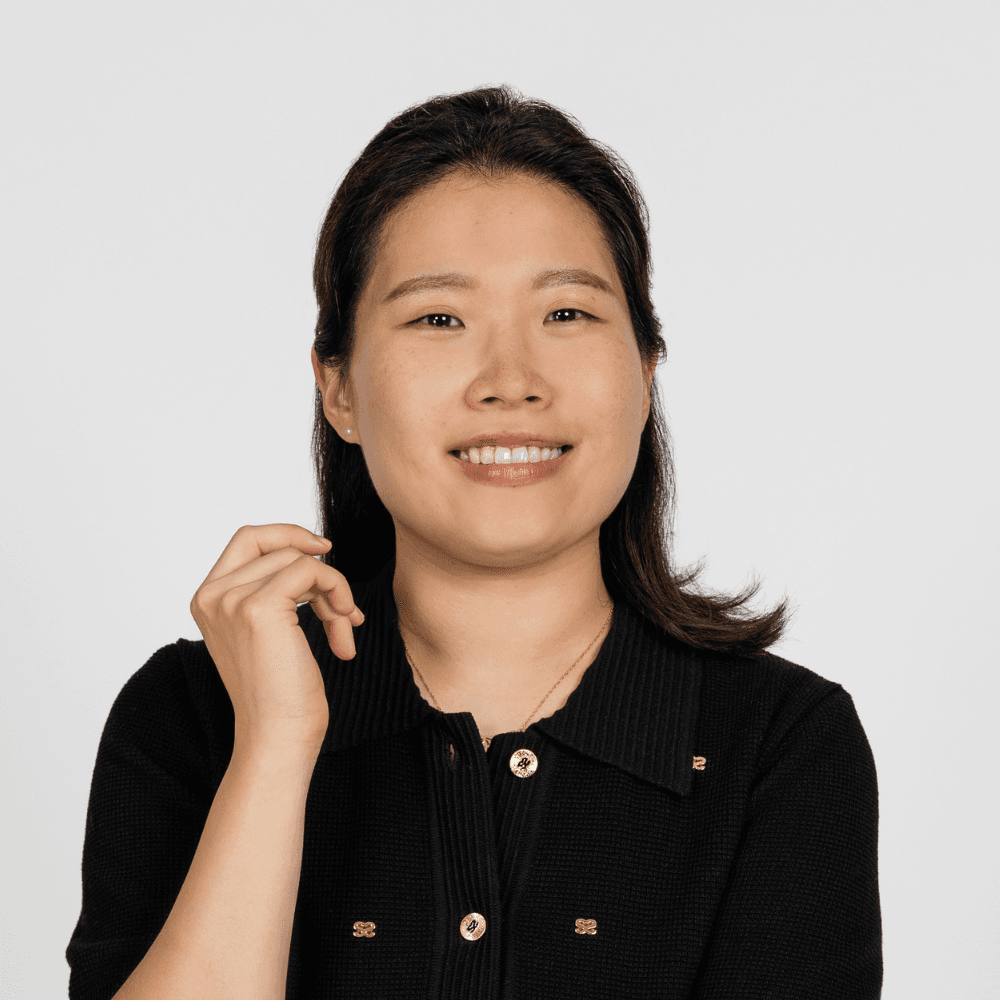
Annette Choi, Ph.D.
Could ancient viruses hold the key to better health?
“Did you know that a good chunk of your genome comes from long-ago viral infections? Ancient viral genes hide out in human DNA, and they can trigger diseases such as cancers. With my SPARK project, I will build a molecular map of viral proteins and develop tools to fight back.”

Vanesa Fernandez, M.D.
Can one cell in the gut drive immune responses and nerve repair for new therapeutics?
“Your gut is more than a digestive organ, it is a hub where the nervous and immune systems constantly “talk” to each other. With SPARK support, I will investigate whether specialized cells form a helpful bridge between these systems. Understanding of these interactions has enormous potential for improving human health.”

Alicia Gibbons
Can fat levels in our blood reveal what's driving long COVID?
“Tens of millions of people live with the devastating symptoms of long COVID, yet we still don’t have a treatment for this disease. My SPARK project is an opportunity to harness cutting-edge technology to understand how fat molecules in the blood—and overabundant immune cells—may lead to long COVID.”

Soo Min Lee
Which early immune responses shape a child's lasting protection?
"Infants and young children face a higher risk of severe complications and death due to viral infections. What makes some young patients more vulnerable than others? My SPARK project will show how these differences develop—and allow us to devise personalized childhood vaccines that boost the developing immune system."
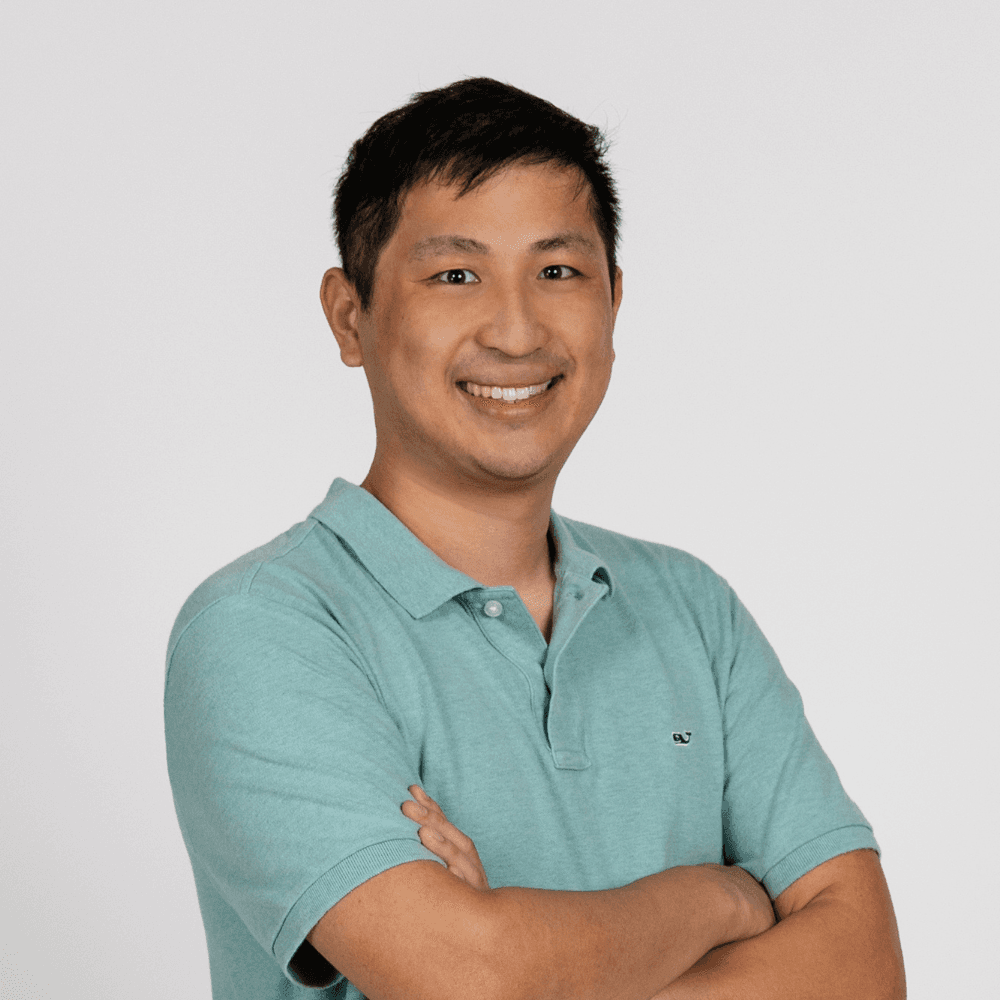
Eric Lin
Can we map unexplored proteins to prevent dangerous dengue infections?
“Dengue virus researchers face a huge challenge. How do you fight a virus that knows how to hijack the immune system’s own antibodies? With my SPARK project, I’ll be the first to apply a cutting-edge scientific method called unbiased mass spectrometry-based proteomics to tackle this problem and advance dengue vaccine development.”
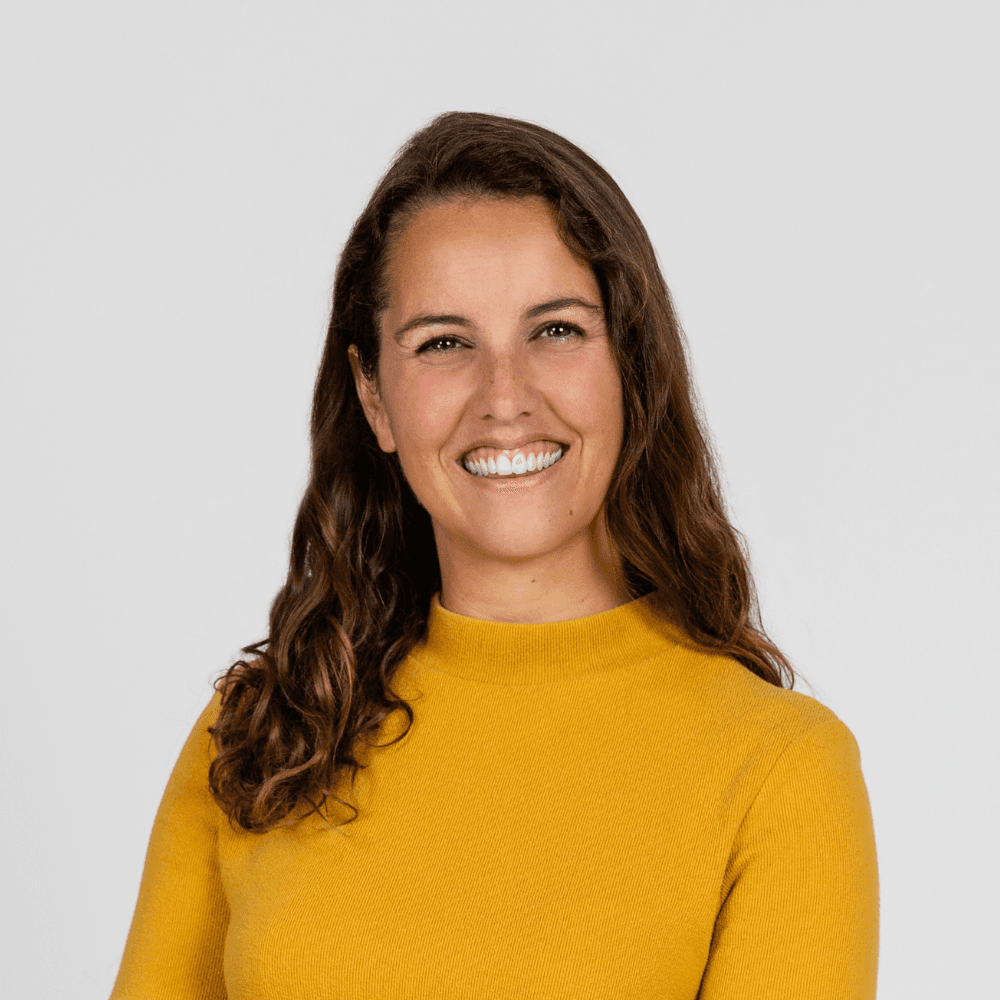
Amparo Martínez Pérez, Ph.D.
Is menstruation linked to autoimmunity?
"With each menstrual cycle, immune cells called neutrophils gather to clear out and help rebuild the uterine lining. I hypothesize that this frequent neutrophil activity creates repeated opportunities for the immune system to misfire. With SPARK support, I will investigate whether this process explains why women suffer more from autoimmune diseases."

Ziyin “Zee” Wang, Ph.D.
Can we turn the polio vaccine into a shield against the next wave of viral threats to children?
“Stopping polio was just the beginning. Poliovirus has many close relatives, called Enteroviruses, that infect millions of people each year. My SPARK project will test whether the polio vaccine can train immune cells to protect against these related viruses, laying the foundation for broader, longer-lasting vaccines.”
Curious how a SPARK Award comes to life?
Watch the video above for an overview of the process, from the call for proposals through the award period, and learn how philanthropic investment supports a healthier future for all.
Some of the most cutting-edge and potentially life-saving immunology research never sees the light of day because it lies only in the imaginations of young scientists who have no path to develop their novel ideas.
The Tullie and Rickey Families SPARK Awards for Innovations in Immunology were designed to give emerging investigators something that can be close to impossible to secure at the beginning of a research career: flexible seed funding to pursue bold new approaches to diagnoses, treatments, and possibly even cures for diseases that afflict us today.
Since the program’s inception in 2017, SPARK has become far more than a funding mechanism. It has evolved into a statement of confidence in the next generation of scientific leaders, and one of La Jolla Institute’s most important engines for innovation.
Each philanthropically funded SPARK Award provides $30,000 over an eight-month grant period, empowering scientists to generate the preliminary data needed to unlock larger grants, publish influential findings, and step into leadership roles shaping the future of immunology. The funding also helps advance discoveries with the potential to transform the treatment of cancer, autoimmune, infectious, and neurodegenerative diseases, among many other conditions.
Philanthropic support gives researchers the freedom to move faster, pursue more ambitious questions, and build the scientific infrastructure that enables innovation beyond the scope of traditional funding. This progress is made possible by individuals who recognize our shared responsibility to one another, understand the central role immunology plays in preventing disease, and choose to invest in a healthier future for all.
About the Process
LJI receives diverse research proposals from early-career investigators across its labs and core facilities. A selection panel evaluates these submissions based on scientific promise and the applicants’ ability to clearly communicate their ideas to a lay audience. Finalists then present their pitches to a panel of LJI Leadership, Faculty, Board members, and donors. Selected finalists receive a Tullie and Rickey Families SPARK Award for Innovations in Immunology, which provides $30,000 over eight months.
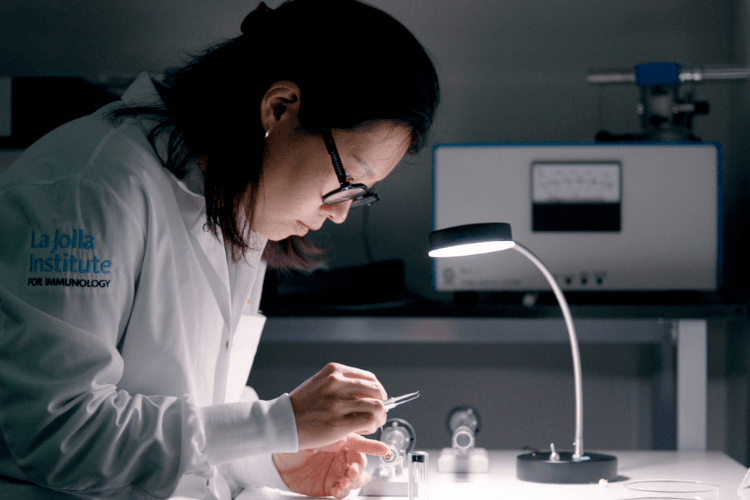
Thanks to the generosity of private donors and stakeholders,a select number of SPARK finalists receive funding each year—advancing high-impact, early-stage research in biomedical science. Yet strong proposals often outnumber available awards, leaving some promising projects unfunded despite valuable feedback.
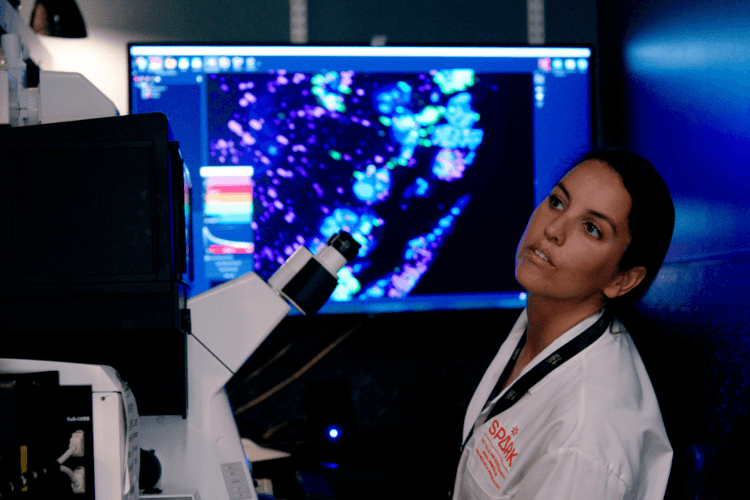
To address this gap, SPARK launched the Brown Foundation Reignite Round—a pilot initiative offering select applicants a second chance to revise and re-pitch their ideas. One researcher is awarded $30,000 to advance their project and join the newest cohort of awardees.
Beyond funding bold and innovative research aimed at transforming how we prevent and treat disease, the SPARK program is deeply committed to education and professional growth. For many participants, it’s a pivotal career moment—offering hands-on experience in project design, execution, and leadership that prepares them for long-term success in science and beyond.
Impact Summary

1 highly-cited
SPARK winner ranks among the prestigious top 1% of most-cited immunologists worldwide

$2 million+ raised
to support early-career researchers
256 supporters
nationwide
61 innovative projects
funded over 9 years
16 independent laboratories
have been established by SPARK winners
$15.3 million+
in follow-on funding secured by SPARK winners through competitive granting agencies
*These numbers reflect the impact of The Tullie and Rickey Families SPARK Awards for Innovations in Immunology from its launch in 2017 through August 2026.
SPARK Annual Report
Philanthropy is the driving force behind the success of The Tullie and Rickey Families SPARK Awards. It’s the generosity of donors that fuels the curiosity, ambition, and breakthroughs of emerging scientists—transforming bold ideas into research that could one day save lives.
By making a gift during our 2026 campaign, you’ll help determine how many SPARK finalists receive funding in 2027. Your support sparks discovery and empowers the next wave of biomedical innovation.
Discover the impact of SPARK in our latest annual report.
About the Tullie and Rickey Families
Thanks to the support and generosity of LJI Board Director Tom Tullie and his wife Judy, as well as LJI Board Director Dave Rickey and his wife Brenda, and their families, we are celebrating ten years of SPARK. Their belief in the program and their multi-year investment have been critical to ensuring the longevity and continued growth of the SPARK Awards program.
In recognition of their dedication, LJI renamed the program in 2019 to The Tullie and Rickey Families SPARK Awards for Innovations in Immunology. We are grateful for their generosity, alongside that of our donors, reviewers, faculty, volunteers, and alumni whose support is rooted in the belief that LJI’s scientific discoveries will form the foundation for next-generation therapeutics and, ultimately, cures.
Learn more in this 60-second video.